The Art of Songwriting Journal Covers: Design, Meaning, and Purpose
When you think about the creative process behind songwriting, the first thing that comes to mind might be melodies or lyrics. However, just as important is the physical space where this creativity is nurtured—the songwriting journal. The cover of a songwriting journal isn’t just an aesthetic choice; it’s a reflection of the artist’s identity, emotional depth, and artistic vision. In this article, we’ll explore what makes a songwriting journal cover design unique, its significance in the creative process, and how to choose or create one that inspires your musical journey.
What Is a Songwriting Journal?
A songwriting journal is more than a notebook—it's a personal sanctuary for musicians, lyricists, and composers. It serves as a place to jot down ideas, sketch melodies, draft lyrics, and even experiment with chord progressions. The journal becomes a companion throughout the creative process, helping artists organize thoughts, track inspiration, and refine their craft.
The Role of the Cover Design
The cover of a songwriting journal is often the first point of contact between the artist and their creative space. It sets the tone for the entire journal and can influence how the artist interacts with their work. A well-designed cover can:
- Reflect the artist’s personality—whether they prefer minimalism, bold colors, or intricate patterns.
- Stimulate creativity—by incorporating visual elements that inspire new ideas.
- Enhance the journal’s usability—with features like durable materials, easy-to-open pages, and functional organization.
- Encourage consistency—helping the artist stay committed to their creative routine.
Key Elements of a Songwriting Journal Cover Design
A great songwriting journal cover typically includes a blend of artistic and functional elements. Let’s break down some of the most common components:
Visual Motifs and Symbolism
Many songwriting journals feature symbols that represent music, such as:
- Musical notes—both staff notation and simple shapes.
- Instruments—guitars, pianos, drums, or microphones.
- Abstract sound waves—to convey the feeling of music without being literal.
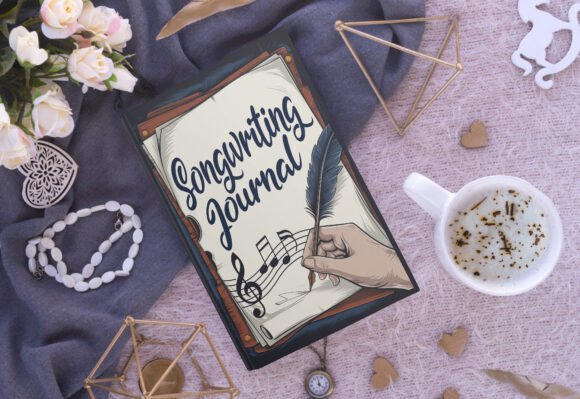
- Hand-drawn sketches—to add a personal touch and authenticity.
These visual motifs are not just decorative—they serve as reminders of the creative process and help the artist feel connected to their craft.
Color Palette and Mood
The color scheme of a songwriting journal cover plays a crucial role in setting the mood. Common choices include:
- Black and gold—for a dramatic, luxurious feel.
- Navy and burgundy—to evoke mystery and depth.
- Vibrant colors—like red or yellow—to inspire energy and passion.
Colors can also reflect the artist’s current emotional state or the genre of music they’re working on. For example, a jazz-inspired journal might use darker, more subdued tones, while a pop or rock journal could feature brighter, more dynamic hues.
Typography and Style
The typography used on a songwriting journal cover can significantly impact its overall look and feel. Some popular styles include:
- Handwritten fonts—to give the journal a personal, intimate feel.
- Stylized script—for a more elegant or artistic appearance.
- Modern sans-serif fonts—for a clean, professional look.
Choosing the right font helps reinforce the journal’s purpose and ensures that the cover remains visually appealing and legible.
Why Invest in a Thoughtful Cover Design?
While it might seem like a small detail, the cover of a songwriting journal can have a significant impact on both the artist and their creative output. Here are a few reasons why investing in a well-designed cover is worth the effort:
Boosts Creativity and Inspiration
A visually engaging cover can act as a catalyst for creativity. When you open a journal that feels inspiring, you're more likely to feel motivated to write and explore new ideas. The right cover can help set the tone for a productive writing session.
Enhances the Journal’s Usability
A well-designed cover can also make the journal more practical. Features like reinforced corners, durable covers, and easy-to-open pages ensure that the journal lasts through years of use. Additionally, a cover that reflects the artist’s style can encourage consistent use and reduce the temptation to abandon the journal.
Supports Personal Expression
Every artist has a unique voice, and a custom-designed cover allows them to express that individuality. Whether it’s a minimalist design or something more elaborate, the cover becomes a canvas for self-expression and storytelling.
How to Choose or Create a Songwriting Journal Cover
If you're looking to create or purchase a songwriting journal, consider the following tips to help you find the perfect cover design:
Know Your Style and Needs
Before selecting a cover, take time to reflect on your personal style and the type of music you create. Are you into folk, rock, hip-hop, or another genre? What kind of atmosphere do you want to create with your journal? These questions can guide your decision-making process.
Explore Design Options
There are many options available when it comes to songwriting journal covers. You can choose from pre-designed templates or opt for a custom design created by a graphic designer. Some platforms offer editable PSD files, which allow you to personalize the design to your liking.
Consider Practicality
While aesthetics are important, don’t forget about functionality. Look for journals with sturdy covers, high-quality paper, and a layout that suits your writing habits. A journal that is both beautiful and practical will be more likely to become a cherished part of your creative toolkit.
Conclusion
A songwriting journal cover is more than just a piece of art—it’s a powerful tool that supports the creative process and enhances the artist’s experience. By carefully choosing or designing a cover that reflects your style, needs, and emotions, you can create a space that truly inspires your musical journey. Whether you're a beginner or an experienced songwriter, investing in a thoughtfully designed journal can make all the difference in how you approach your craft.