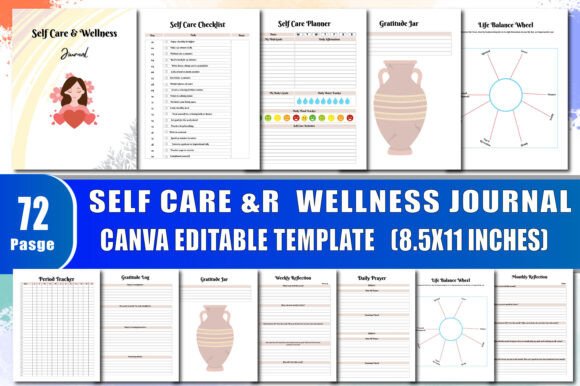
Weight Loss Journal: Your Guide to Tracking Progress and Staying Motivated
A Weight Loss Journal is more than just a notebook—it's a powerful tool designed to help individuals track their fitness, nutrition, and weight loss journey with clarity and purpose. Whether you're just starting your health journey or have been working toward your goals for a while, having a structured journal can make all the difference in staying consistent and motivated.
What Makes a Weight Loss Journal Effective?
The effectiveness of a Weight Loss Journal lies in its design and functionality. A well-structured journal should offer both visual appeal and practical value. One of the most popular designs features a clean, motivational cover that sets the tone for the entire experience. These covers often incorporate bright, uplifting colors like teal, coral, or green, which are known to evoke feelings of energy and positivity.
In addition to color, the cover may include fitness icons such as measuring tapes, dumbbells, healthy foods, or progress charts. These elements serve as visual reminders of the goals you're working toward. The typography is typically bold and encouraging, designed to inspire action and maintain a positive mindset throughout your journey.
Why a Clean and Motivational Design Matters
A clean and motivational design is essential because it helps users stay engaged and committed to their goals. When you open a Weight Loss Journal with a visually appealing cover, it immediately signals that this is a space dedicated to growth and self-improvement. This sense of intentionality can be incredibly motivating, especially on days when motivation feels elusive.
Moreover, the use of bright colors and encouraging typography creates an environment that feels welcoming and empowering. It reminds users that their efforts are valuable and that every step forward is worth celebrating. This kind of design can also help reduce the mental barriers that often come with starting a new habit or making lifestyle changes.
Key Features of a Weight Loss Journal
A good Weight Loss Journal includes several key features that make it useful for tracking progress and maintaining consistency. These features are often tailored to meet the needs of different users, whether they're beginners or experienced individuals looking to refine their approach.
- Daily Tracking Sections: Many journals include spaces for daily entries, allowing users to record meals, exercise routines, and mood updates. This level of detail helps identify patterns and make informed decisions about their habits.
- Progress Charts: Visual representations of progress, such as graphs or bar charts, can be incredibly helpful in seeing how far you've come over time. These charts are often included in the design to provide a clear overview of achievements.
- Nutrition Logs: A dedicated section for tracking food intake ensures that users remain mindful of their dietary choices. This feature is particularly beneficial for those following specific diets or meal plans.
- Goal Setting Pages: Many journals include pages where users can set short-term and long-term goals. These pages encourage reflection and planning, helping users stay focused on their objectives.
Some Weight Loss Journals also include prompts or questions to guide users through their reflections. These prompts can range from asking about what they're grateful for each day to exploring challenges they've overcome. This reflective aspect adds depth to the journaling experience and promotes personal growth.
Who Can Benefit from a Weight Loss Journal?
A Weight Loss Journal is suitable for a wide range of individuals, including general consumers, professionals, creators, business owners, and online users seeking practical information. For example, a busy professional might use a journal to track their fitness routine and nutritional intake during a hectic workweek. A creator or artist might find value in using a journal to reflect on their progress and maintain discipline in their creative process.
Additionally, online users who are looking for actionable advice and real-world examples can benefit greatly from a well-designed journal. It provides a tangible way to document their journey and share insights with others who are on similar paths. This sense of community can be a powerful motivator in achieving long-term goals.
Design Considerations for Weight Loss Journals
When selecting or creating a Weight Loss Journal, there are several design considerations to keep in mind. First, the size and format should be practical for everyday use. Most journals are available in standard sizes like 8.5x11 inches, making them easy to carry and use anywhere.
Second, the availability of editable files, such as PSD files in Adobe Photoshop CC, allows for customization. This means users can tailor the journal to fit their specific preferences and needs. On the other hand, PDF files are ready to use and not editable, which is ideal for those who prefer a finished product without the need for further adjustments.
Lastly, the overall aesthetic of the journal should align with the user's personal style and goals. Whether you prefer a minimalist look or something more vibrant, the right design can significantly impact your experience with the journal.
Real-World Applications and Examples
Let’s consider a few real-world applications of a Weight Loss Journal. Imagine a person who has recently started a fitness program. They use their journal to track their workouts, meals, and mood. By reviewing their entries weekly, they can identify what works best for their body and adjust their routine accordingly.
Another example involves a busy parent who wants to improve their health but struggles to find time for exercise. They use their journal to plan short, effective workouts and prepare healthy meals for the week. The journal becomes a valuable resource that helps them stay on track despite their demanding schedule.
For professionals, a Weight Loss Journal can serve as a tool for self-care and stress management. By documenting their progress and reflecting on their experiences, they can maintain a healthier work-life balance and achieve their wellness goals.
Evaluating Suitability for Different Needs
While a Weight Loss Journal can be incredibly beneficial, it's important to evaluate its suitability based on individual needs and preferences. Some users may prefer a digital version for convenience, while others may enjoy the tactile experience of a physical journal.
It's also crucial to consider the level of detail required. If you're looking for a simple way to track your progress, a basic journal may suffice. However, if you want more comprehensive guidance, a journal with additional resources and prompts could be more appropriate.
Ultimately, the key is to choose a journal that resonates with your goals and lifestyle. Whether you're looking for inspiration, structure, or a combination of both, there's a Weight Loss Journal out there that can support your journey.